
Seed 06 | Beauty as Regulation The Body Understands Before Words


There was an electrical storm in my body.
Not a metaphorical one.
A real one.
The kind of internal weather where the whole system feels lit up from the inside, buzzing, bracing, searching for somewhere to land.
I tried to think my way through it.
I tried to breathe.
I tried the things I know.
The grounding techniques.
The nervous system tools.
The careful internal language.
The gentle reminders.
The cognitive reaching for understanding.
But nothing touched the place in me that was activated.
Nothing quieted the storm.
It was not that the tools were wrong.
It was that the part of me needing support was deeper than words.
Deeper than thought.
Deeper than the place language can reach.
And then I stepped outside.
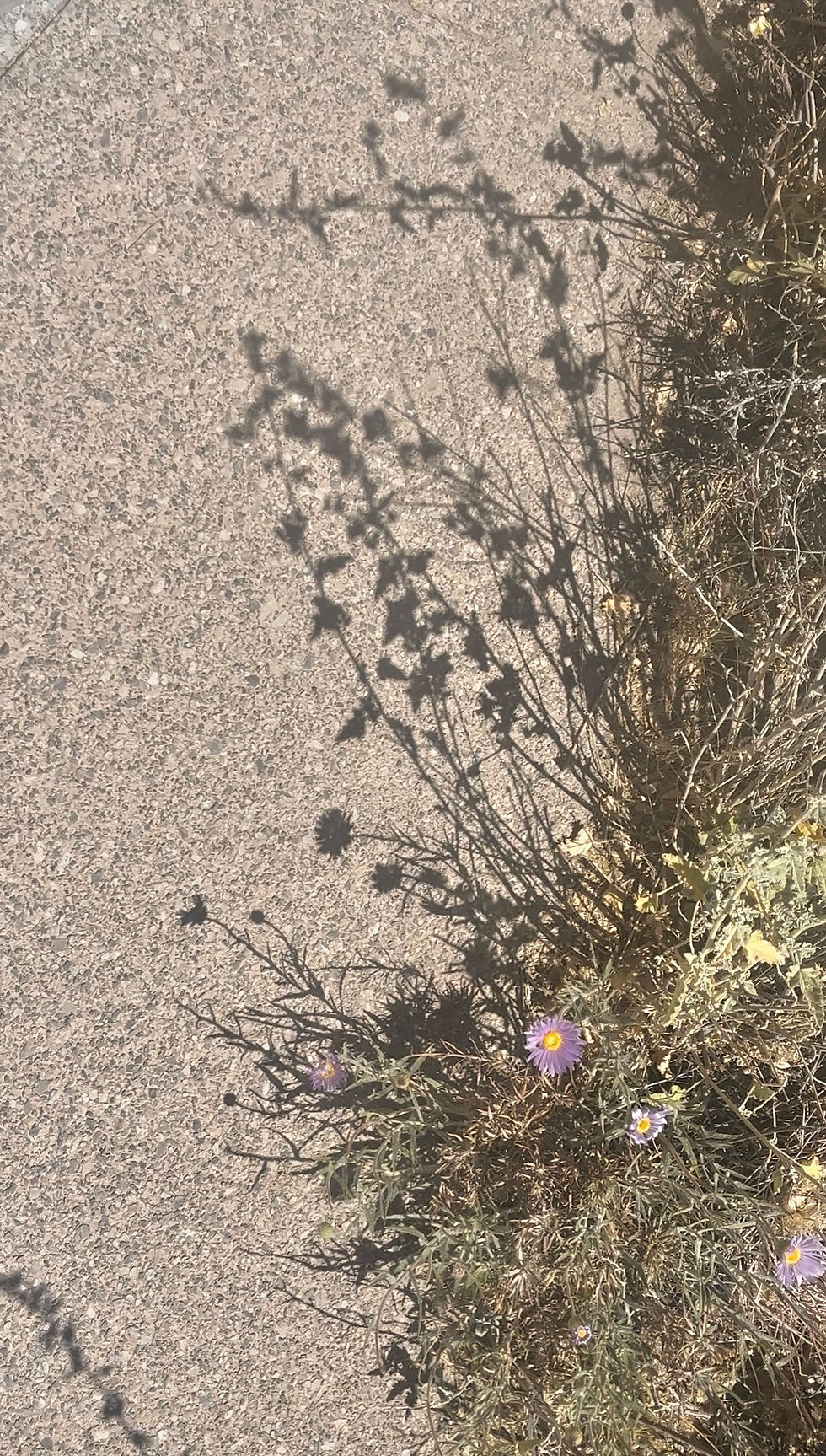
I saw light moving across the ground.
Shadows playing softly over the earth.
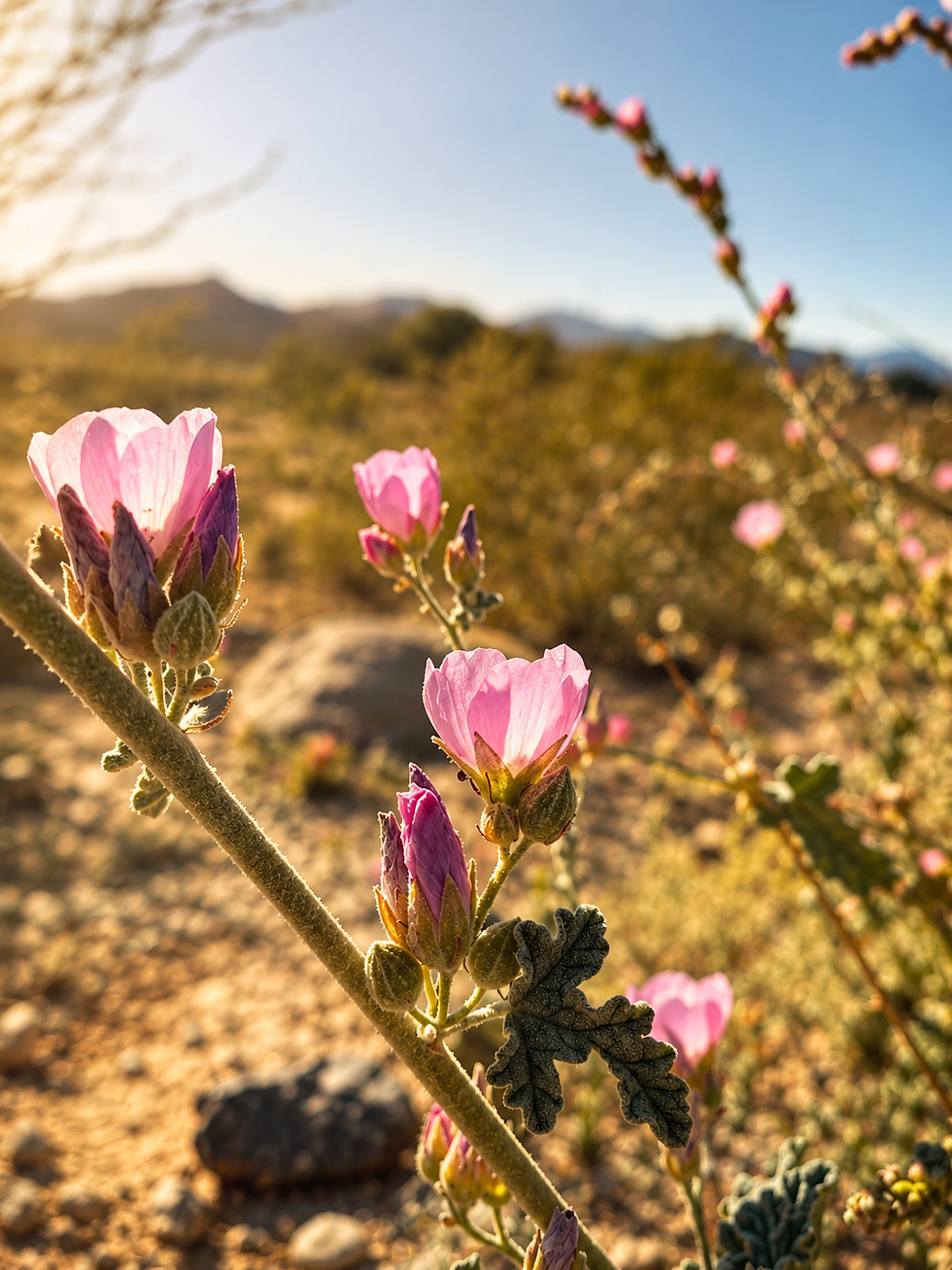
Flowers glowing in the sunlight as if they were lit from within.
And I stopped in my tracks.
Immediately.

Before I had a thought about it.
Before I named it beautiful.
Before I understood what was happening.
Something in my body responded.
Something beyond words touched something beneath words.
There was a shift.
A softening.
Not dramatic.
Not performative.
Not the kind of healing that announces itself.
But noticeable.
My system changed.
The storm did not need to be argued with.
It did not need another instruction.
It did not need me to try harder.
It needed beauty.
It needed light.
Shadow.
Color.
Pattern.
Atmosphere.
The quiet language of the living world.
And my body understood.
There is a realm of human experience that exists before verbal language.
A sensory world the nervous system recognizes instantly.
Light through leaves.
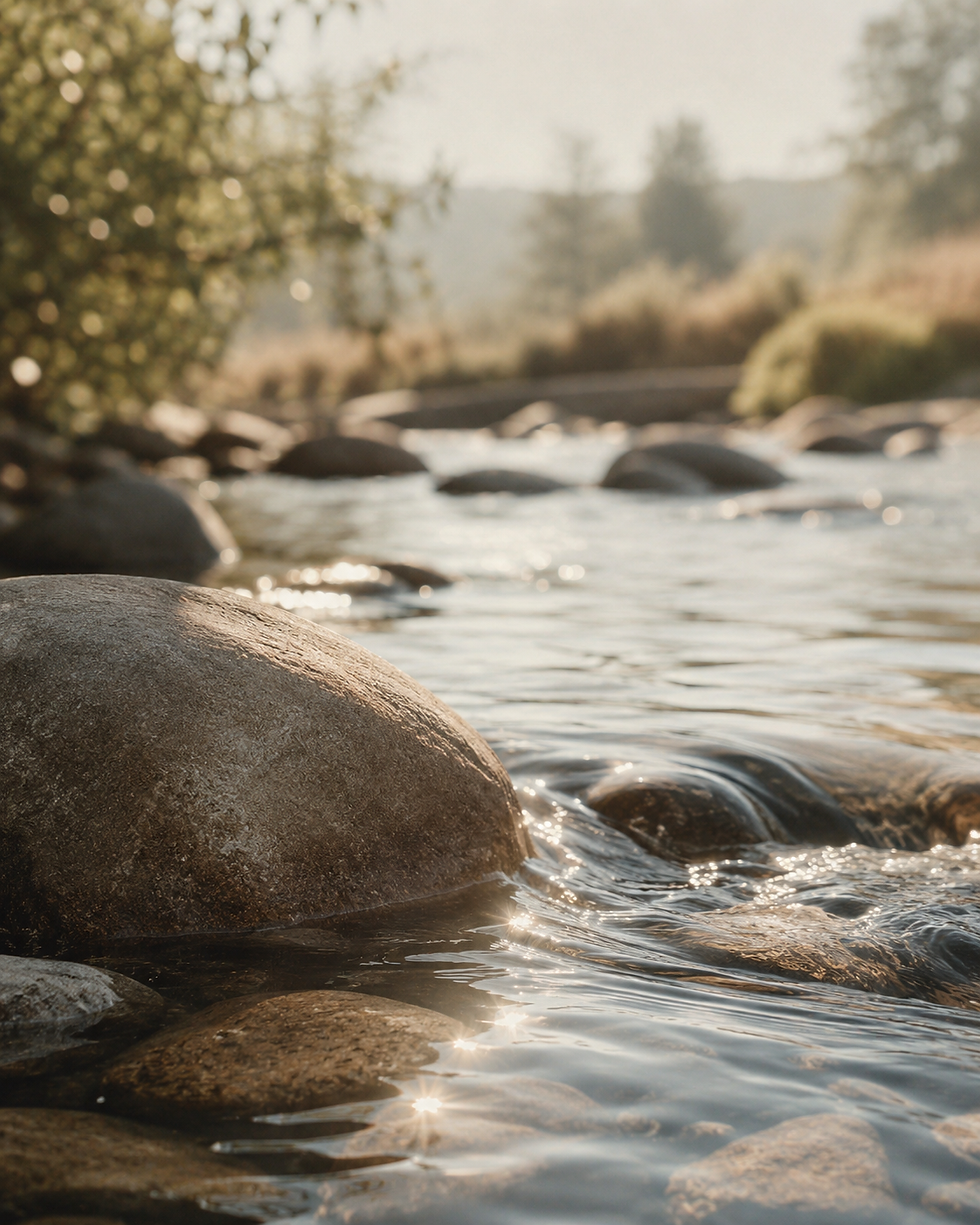
Water moving over stone.
Wind through trees.
The rhythm of waves.
The warmth of sun on skin.
The shimmer of flowers at golden hour.
The sound of a creek.
The texture of linen.
The movement of shadows across a wall.

These things speak.
Not in sentences.
Not in concepts.
Not in the kind of language the mind can organize into paragraphs.
But the body hears them.
The body knows when something is coherent.
When something is gentle.
When something is rhythmic.
When something is beautiful.
When something is safe enough to soften toward.
And sometimes this language reaches us more quickly than any technique can.
I think about this often with children.
Especially children with limited or no spoken language.
So much of the adult world tries to bring regulation through instruction.
Take a deep breath.
Use your words.
Calm your body.
Tell me what you need.
Practice mindfulness.
Name the feeling.
And yes, sometimes those things can help.
But what if regulation does not always begin with words?
What if, for some nervous systems, words come later?
What if the child seeking water,
movement,
swinging,
spinning,
texture,
pressure,
sound,
sunlight,
sand,
rhythm,
or visual fascination is not avoiding regulation
but moving instinctively toward it?
What if the body already knows where relief lives?
A child watching water pour again and again.
A child running their fingers through grass.
A child rocking in rhythm.
A child staring at light on the ceiling.
A child pressing into blankets.
A child needing the swing.
A child drawn to the same sound, the same movement, the same pattern.
Maybe these are not distractions from regulation.
Maybe they are regulation.
Maybe they are the body speaking in its first language.
The nervous system does not primarily speak English.
It speaks rhythm.
Temperature.
Tone.
Texture.
Pressure.
Movement.
Light.
Pattern.
Relationship.
Atmosphere.
It speaks safety before it speaks explanation.
It knows beauty before it knows why beauty matters.
And this feels important to remember in a world that often tries to heal everything through thought.
There are times when thinking helps.
There are times when language brings clarity.
There are times when breath, prayer, meditation, journaling, therapy, and reflection are sacred and necessary.
But there are also times when the body does not need more words.
It needs an encounter.
With light.
With water.
With flowers.
With earth.
With something real enough and beautiful enough to interrupt the storm.
Something that does not ask the nervous system to explain itself before offering relief.

This is part of what I mean when I say beauty can be regulation.
Not beauty as performance.
Not beauty as perfection.
Not beauty as something curated to impress.
Beauty as contact.
Beauty as orientation.
Beauty as the moment the body remembers there is still something soft in the world.
The sunlight on the floor.
The shadow of a plant on the wall.
The creek moving over stones.
The desert flowers glowing after a long day.
The way the wind moves through leaves without needing to be understood.
These moments do not fix everything.
But sometimes they open a door.
Sometimes they give the body one true thing to trust.
Sometimes they create just enough space between the storm and the self for breath to return naturally.
Not because we forced it.
Because something beautiful reached us first.
That day, I could not think myself into calm.
I could not technique my way out of the electrical storm.
But I stepped outside.
And the light was there.
The shadows were moving.
The flowers were glowing.
And my body softened before my mind could explain why.
Some forms of healing exist beyond verbal language.
Some forms of regulation begin before thought.
Some forms of beauty speak directly to the body.
And sometimes, the most sacred thing we can do is stop in our tracks long enough to let ourselves be reached.


Comments